
How to Care for Your Dental Implants in Hawthorne, NJ (and Maximise Their Lifespan)
Dental implants are designed to become a long-term part of your smile, but they still need consistent care. For patients in Hawthorne, NJ, protecting an implant means looking after the surrounding gums, keeping plaque under control, and staying consistent with professional dental visits.
Quick answer: Care for dental implants by brushing twice a day with a soft-bristled toothbrush, cleaning carefully between and around the implants every day, and following the maintenance schedule recommended by your dentist. Avoid habits that can damage the restoration, and have new bleeding, swelling, discomfort, looseness, or bite changes checked promptly. Good implant care focuses just as much on healthy gums and supporting tissues as it does on the visible replacement tooth.
What Hawthorne patients should know
-
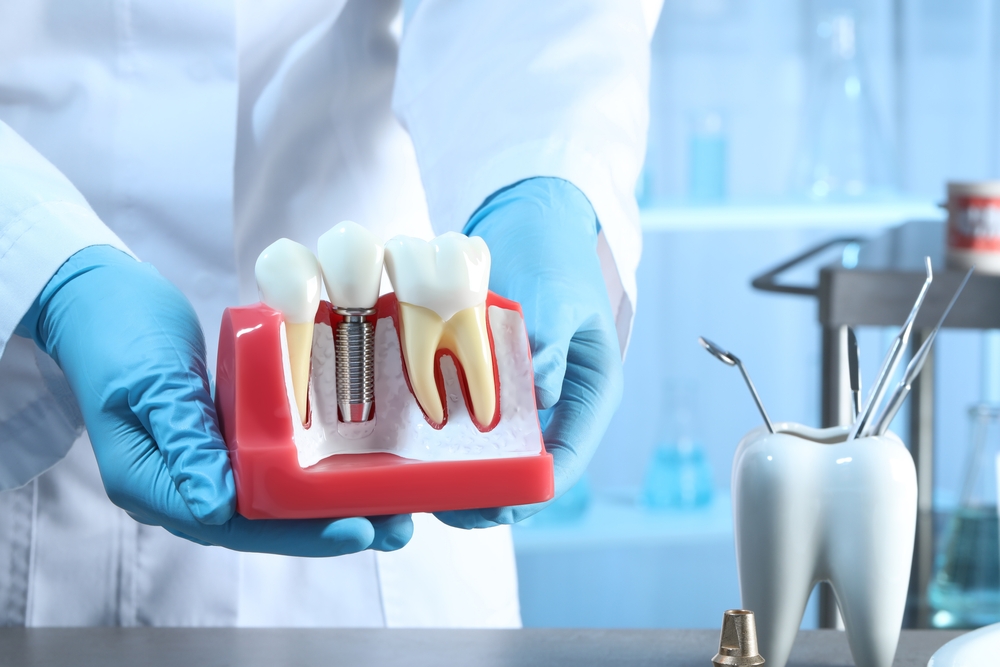
Dental implants cannot develop cavities, but plaque can still accumulate around them and affect the surrounding gums and supporting tissues.
-
The American Dental Association recommends brushing twice daily and cleaning between the teeth each day as part of routine oral care.
-
A busy routine around Lafayette Avenue, Wagaraw Road, or neighboring communities is not a reason to skip daily implant cleaning.
-
Regular dental visits allow your care plan and maintenance schedule to be adjusted to your individual oral health needs.
-
If an implant feels different, becomes uncomfortable, or appears loose, arranging an evaluation is safer than waiting for your next routine appointment.
Why Does Dental Implant Care Matter in Hawthorne, NJ?
Dental implant care matters in Hawthorne, NJ, because the long-term health of an implant depends heavily on keeping the surrounding gums and supporting tissues healthy. Daily plaque control, appropriate professional maintenance, and attention to changes around the implant can help protect the investment you have made in restoring your smile.
Hawthorne is a close-knit Passaic County community where residents often move between local neighborhoods and nearby North Haledon, Prospect Park, Glen Rock, Ridgewood, and Paterson for work, school, errands, and family activities. A full schedule can make oral hygiene easy to rush, particularly at the end of the day.
That matters because implant maintenance is ongoing. The replacement tooth may not decay like a natural tooth, but the tissues supporting an implant still require careful cleaning.
At The Smile Spa of North Jersey LLC, we want patients to understand that implant care is not complicated, but consistency matters. After this first mention, we will focus on what you can do at home and when professional evaluation becomes important.
What Does Professional Guidance Say About Daily Implant Care?
Professional oral care guidance supports twice-daily brushing, daily cleaning between teeth, and dental visits tailored to the individual patient’s needs. For implant patients, the specific cleaning devices and techniques may need to be personalized according to the restoration, available space around it, gum health, and other oral health factors.
The American Dental Association recommends brushing for two minutes twice a day with fluoride toothpaste and cleaning between teeth daily. It also notes that interdental brushes come in different sizes and that brushes designed for cleaning around implants may use coated wire to avoid scratching implant surfaces.
For Hawthorne patients, the practical takeaway is simple: do not assume that the same flossing technique or cleaning tool is ideal for every implant. Ask which tools are appropriate for your particular restoration.
How Can Poor Implant Care Affect Your Smile?
Poor implant care can allow plaque and inflammation to develop around the implant, potentially affecting gum health, comfort, and the tissues that help support the restoration. Addressing hygiene problems early is generally easier than ignoring persistent symptoms until they interfere with chewing, appearance, or everyday comfort.
For someone commuting from Hawthorne toward surrounding parts of Passaic or Bergen County, it can be tempting to postpone a dental visit when symptoms seem minor. Bleeding or tenderness may appear manageable at first, but persistent changes deserve attention.
A healthy implant should feel like a stable, functional part of your mouth. Changes in that baseline are worth discussing with a dental professional.
What Warning Signs Around a Dental Implant Should You Watch For?
Warning signs around a dental implant include persistent bleeding, swollen or tender gums, discomfort when chewing, changes in the bite, unusual movement, or a restoration that suddenly feels different. These symptoms do not tell you exactly what is wrong, but they are good reasons to arrange a professional evaluation.
Watch for:
-
Gums that repeatedly bleed when brushing or cleaning around the implant
-
Redness, puffiness, or tenderness near the implant
-
Persistent bad taste or odor around a particular area
-
New discomfort or pressure when chewing
-
A crown, bridge, or implant-supported restoration that feels loose
-
A bite that suddenly feels uneven or different
-
Difficulty cleaning an area that was previously easy to maintain
Do not try to tighten, adjust, or repair an implant restoration yourself.
When Should You Call a Dentist About a Dental Implant?
Call a dentist when you notice persistent inflammation, pain, swelling, movement, damage, or a change in how your dental implant feels or functions. Routine plaque removal can be handled at home, but diagnosing a loose restoration, gum problem, bite issue, or problem beneath the visible surface requires professional evaluation.
Hawthorne residents should also contact a dental office if they simply cannot keep an implant area clean. Sometimes the solution is not brushing harder. A different interdental brush, flossing method, water flosser, or professional demonstration may make home care more effective.
If you have recently received an implant or implant restoration, follow the specific instructions given for your treatment rather than replacing them with general online advice.
What Common Problems Can Shorten the Life of a Dental Implant?
The most common preventable threats to dental implants include inadequate plaque control, untreated gum inflammation, excessive biting forces, damaging habits, and delayed attention to new symptoms. The exact risks vary from patient to patient, which is why both daily home care and personalized professional monitoring are important.
Common concerns include:
-
Plaque buildup around the gumline. Incomplete cleaning can leave bacterial plaque around areas that are difficult to reach.
-
Skipping interdental cleaning. A toothbrush alone may not adequately clean between teeth and around some implant restorations.
-
Clenching or grinding. Heavy forces can place added stress on teeth and restorations and should be discussed with your dentist.
-
Biting very hard objects. Ice and other hard items can damage dental restorations.
-
Ignoring changes. Waiting months after noticing discomfort, movement, or inflammation can allow a manageable problem to become more complicated.
How Should You Maintain Dental Implants at Home?
Maintain dental implants by brushing gently twice daily, cleaning around them every day with an appropriate interdental method, and keeping the surrounding gumline free of plaque. Consistency is more useful than aggressive scrubbing, and your dental team can help identify tools that fit the shape and location of your restoration.
A practical routine for Hawthorne patients is:
-
Brush for two minutes in the morning and before bed using a soft-bristled toothbrush.
-
Angle your brushing so that you clean carefully where the restoration meets the gumline.
-
Clean between teeth and around the implant daily using the method recommended for you.
-
Replace a worn toothbrush or brush head when the bristles become frayed. The ADA generally recommends replacement every three to four months, or sooner when visibly worn.
-
Pay attention to bleeding, tenderness, or areas that consistently trap food.
-
Keep recommended dental maintenance appointments.
Whether your day takes you past Goffle Brook Park, along Lafayette Avenue, or into nearby Bergen County, keeping a small oral-care kit at work or in a bag can make consistency easier when your schedule changes.
What Results Can You Expect From Good Implant Maintenance?
Good implant maintenance can help keep the gums around your restoration clean, comfortable, and easier to monitor over time while allowing dental professionals to identify potential problems earlier. No dentist can promise that an implant will last for a specific number of years, but maintaining healthy surrounding tissues is an important part of protecting it.
Patients sometimes focus only on whether the replacement tooth looks clean. Implant maintenance goes deeper than appearance. Your dentist may evaluate the gums, the restoration, your bite, hygiene access, and other factors that can influence ongoing function.
The goal is not perfection. It is reliable daily care combined with appropriate professional monitoring.
What Dental Implant Care Mistakes Should Hawthorne Patients Avoid?
The biggest implant-care mistakes are treating implants as maintenance-free, brushing too aggressively, neglecting hard-to-reach areas, and waiting too long when something changes. A better approach is gentle, thorough cleaning paired with prompt professional attention when the implant or surrounding gums stop feeling normal.
Mistake: Assuming an implant cannot have problems because it cannot get a cavity.
Consequence: The surrounding gums and supporting tissues may still become unhealthy.
Better approach: Clean around implants carefully every day.
Mistake: Scrubbing harder when gums bleed.
Consequence: Aggressive brushing can irritate tissues without addressing the reason for persistent bleeding.
Better approach: Use gentle technique and ask for guidance if bleeding continues.
Mistake: Using whatever cleaning tool happens to fit.
Consequence: Some tools may be ineffective or inappropriate around a particular restoration.
Better approach: Ask which floss, interdental brush, or other device suits your implant.
Mistake: Waiting for a routine visit after noticing movement.
Consequence: A loose or damaged component may need earlier assessment.
Better approach: Contact your dental office when a restoration suddenly feels unstable.
What Is a Common Dental Implant Care Scenario in Hawthorne?
A common local scenario is an otherwise healthy implant patient who brushes regularly but struggles to clean one difficult area around a restoration. Rather than assuming occasional bleeding or trapped food is simply normal, the better response is to review the cleaning technique and determine whether a different tool or professional evaluation is appropriate.
Picture a Hawthorne resident with an early commute and a packed evening schedule. Brushing happens reliably, but interdental cleaning gets skipped several nights each week. Eventually, one area begins bleeding during cleaning.
This is not a case study and does not describe a specific patient. It illustrates why small daily habits matter. Improving access and technique early may make the routine easier to maintain.
What Professional Services Can Support Dental Implant Maintenance?
Professional dental care supports implant maintenance by evaluating the restoration, surrounding gums, oral hygiene, bite, and any symptoms that cannot be assessed reliably at home. Depending on what your dentist finds, care may involve routine maintenance, hygiene recommendations, further evaluation, or treatment of a specific problem.
If you are unsure whether you are cleaning your implant correctly, we can discuss your current routine and the areas that are difficult to reach.
Is DIY Implant Care Enough, or Do You Need Professional Maintenance?
Home care and professional maintenance serve different purposes, so they work best together rather than as alternatives. Daily brushing and interdental cleaning control plaque between appointments, while professional visits allow your dentist to evaluate areas you cannot diagnose yourself and tailor your maintenance schedule to your individual needs.
For local patients, home care is appropriate for routine cleaning and monitoring. Professional care becomes important when symptoms persist, a restoration feels damaged or loose, or you need guidance choosing the right cleaning method.
The ADA also advises that dental recall frequency should be individualized rather than assuming the exact same schedule is appropriate for everyone.
What Areas Do You Serve Around Hawthorne?
Hawthorne sits in Passaic County near several communities whose residents may look locally for ongoing dental care, including North Haledon, Prospect Park, Paterson, Glen Rock, and Ridgewood. The borough itself includes familiar local corridors such as Lafayette Avenue and Wagaraw Road, along with Goffle Brook Park, one of the area’s recognizable public spaces.
Patients considering local implant maintenance should choose care based on their individual dental needs and the professional guidance they receive.
What Can Happen If You Ignore Problems Around an Implant?
Ignoring persistent problems around an implant can allow discomfort, inflammation, damage, or functional issues to continue without diagnosis. Waiting is particularly unhelpful when an implant restoration feels loose, your bite changes, or the surrounding gums repeatedly bleed or swell despite careful home hygiene.
Not every symptom means the implant itself is failing. That is precisely why evaluation matters. Different problems can feel similar to a patient, and the appropriate response depends on what is actually happening.
FAQ About Dental Implant Care in Hawthorne, NJ
How often should I clean around dental implants in Hawthorne, NJ?
You should clean your dental implants every day as part of your normal oral hygiene routine. The ADA recommends brushing twice daily and cleaning between teeth daily. Your dentist may recommend particular floss, an interdental brush, a water flosser, or another method based on the design and position of your implant restoration.
Can dental implants get cavities?
Dental implants themselves cannot develop tooth decay like natural tooth structure, but that does not make them maintenance-free. Plaque can still collect around an implant restoration and affect nearby gums and tissues. Hawthorne patients should continue brushing, interdental cleaning, and professional maintenance even when an implant feels completely normal.
What toothbrush should I use around a dental implant?
A soft-bristled toothbrush is generally appropriate for daily oral hygiene, although your dentist can recommend a brush based on your specific restoration. The ADA recommends soft bristles for toothbrushing and notes that both manual and powered toothbrushes can be effective when used properly.
Should bleeding around my implant in Hawthorne worry me?
Persistent bleeding around an implant should not simply be ignored, especially when it happens repeatedly despite gentle cleaning. Occasional irritation can have different causes, but recurring bleeding, swelling, tenderness, or discomfort deserves professional evaluation so the underlying issue can be identified rather than guessed at.
How often should dental implants be professionally checked in Passaic County?
The right dental visit schedule depends on your individual oral health, risk factors, implant restoration, and your dentist’s assessment rather than one universal interval. The ADA supports tailoring recall frequency to individual need, so follow the maintenance schedule recommended specifically for you.
Can I use a water flosser around dental implants?
A water flosser can be one option for cleaning between teeth, but whether it is the best tool for your implant depends on your individual situation. The ADA recognizes water flossers among interdental cleaning options. Ask your dentist how to use one safely and effectively around your particular restoration.
What should I do if my implant crown feels loose in Hawthorne?
Contact your dental office rather than attempting to tighten or repair a loose implant crown yourself. Movement can come from different parts of an implant restoration, and determining the cause requires an examination. Avoid putting unnecessary chewing pressure on the area until you receive professional guidance.
Can grinding my teeth affect a dental implant?
Grinding or clenching can place substantial force on teeth and dental restorations, so tell your dentist if you notice jaw tension, wear, morning soreness, or a history of grinding. Your dentist can evaluate your bite and determine whether additional measures are appropriate for protecting your natural teeth and implant restoration.
Protect Your Dental Implant and Keep Your Smile Comfortable in Hawthorne
Consistent home care and appropriate professional monitoring give your dental implant the support it needs over the long term. If you live in Hawthorne or a nearby Passaic County community and have questions about cleaning, maintenance, or a change around your implant, we can help you determine the appropriate next step.
Categorised in: Dental Implants